- Home
- CV Writing
- Resume Writing
- LinkedIn Profile Writing
- Interview Coaching
- Career Coaching
- Corporate Services
- Partner Program
- News & Videos
- About
- Contact
Send us your details using the form below and we'll call you back as soon as possible.

Industry-Leading Maritime CV Writing Service
Transforming Your Maritime CV To Turbo Charge Your Career
CV Writers for Maritime Professionals
The CV & Interview Advisors are leading providers of exceptional CV writing services for maritime professionals. Our team have been described as “the best maritime CV writers in the world”. With our in-depth understanding of the maritime industry and expertise in crafting compelling CVs, we can help you make a powerful impact in your career. Whether you're a cruise liner captain, DPO, or hold other related job titles, we are here to support your success.

The Nuances of the Maritime Industry
In the maritime industry, securing sought-after roles requires exceptional self-marketing collateral including a great CV and LinkedIn profile.
Many professionals struggle to position themselves and showcase their unique strengths. At The CV & Interview Advisors, we capture the magic in you and your career, which might include your experience in maritime operations and leadership roles, your expertise in navigation, safety or regulatory compliance, or your ability to manage complex maritime projects and teams.
We address the specific expectations of employers in the maritime sector and provide tailored solutions for maritime professionals ranging from cruise liner captains to DPOs, including professionals with highly technical backgrounds. In fact, the more technical the better – we love those ones.
Become 40% more likely to win your next role in the Maritime industry.
CV Writing Service for Maritime Professionals
Aimed at professionals with 10 years or more work experience up to senior executive level, our service is of the highest quality and industry leading. You will work with a Personal Branding Specialist who themselves have been senior in their own career and who have extensive experience working with senior job seekers
To write an effective CV we need to find out about you, which requires a detailed exchange of information. This is done through an in-depth two-hour fact-finding / discovery session (via telephone or Zoom) with one of our highly-experienced Personal Branding Specialists / CV Writers. This session is not just a simple Q&A, it’s our opportunity to clarify your personal brand, define your value proposition, and to talk about your track record and achievements.
How the CV service works:
You will have a 2 hour telephone / Zoom fact finding session
We will discuss your career in detail
We will define your personal brand and value proposition
We will write your CV from scratch
We will transform it into a powerful business case
We will keep working until you are 100% happy
CV & LinkedIn Profile Writing Service for Maritime Professionals
Our service is of the highest quality and industry leading. This service includes "3 STAR" case studies that can be used to showcase your biggest achievements on your CV and your LinkedIn profile content. To write an effective CV & LinkedIn profile we need to find out about you, which requires a detailed exchange of information. This is done through an in-depth two-hour fact-finding / discovery session (via telephone or Zoom) with one of our highly-experienced Personal Branding Specialists / CV Writers. This session is not just a simple Q&A, it’s our opportunity to clarify your personal brand, define your value proposition, and to talk about your track record and achievements.
How the CV and LinkedIn service works:
You will have a 2 hour telephone / Zoom fact finding session
We will discuss your career in detail
We will define your personal brand and value proposition
We will write your CV and LinkedIn profile from scratch
We will transform both into a powerful business case
We will keep working until you are 100% happy
CV & LinkedIn Profile Writing with Extra Content to Target Multiple Roles
Our service is of the highest quality and industry leading. This service includes extra profiles (the opening paragraph on your CV) and extra case studies (a key sales tool used on CVs) that can be swapped in and out of your CV, depending on the role you are applying for, to make it laser targeted. To write an effective CV & LinkedIn profile we need to find out about you, which requires a detailed exchange of information. This is done through an in-depth two-hour fact-finding / discovery session (via telephone or Zoom) with one of our highly-experienced Personal Branding Specialists / CV Writers. This session is not just a simple Q&A, it’s our opportunity to clarify your personal brand, define your value proposition, and to talk about your track record and achievements.
How the CV and LinkedIn service works:
You will have a 2 hour telephone / Zoom fact finding session
We will discuss your career in detail
We will define your personal brand and value proposition
We will write your CV and LinkedIn profile from scratch
We will transform both into a powerful business case
We will keep working until you are 100% happy
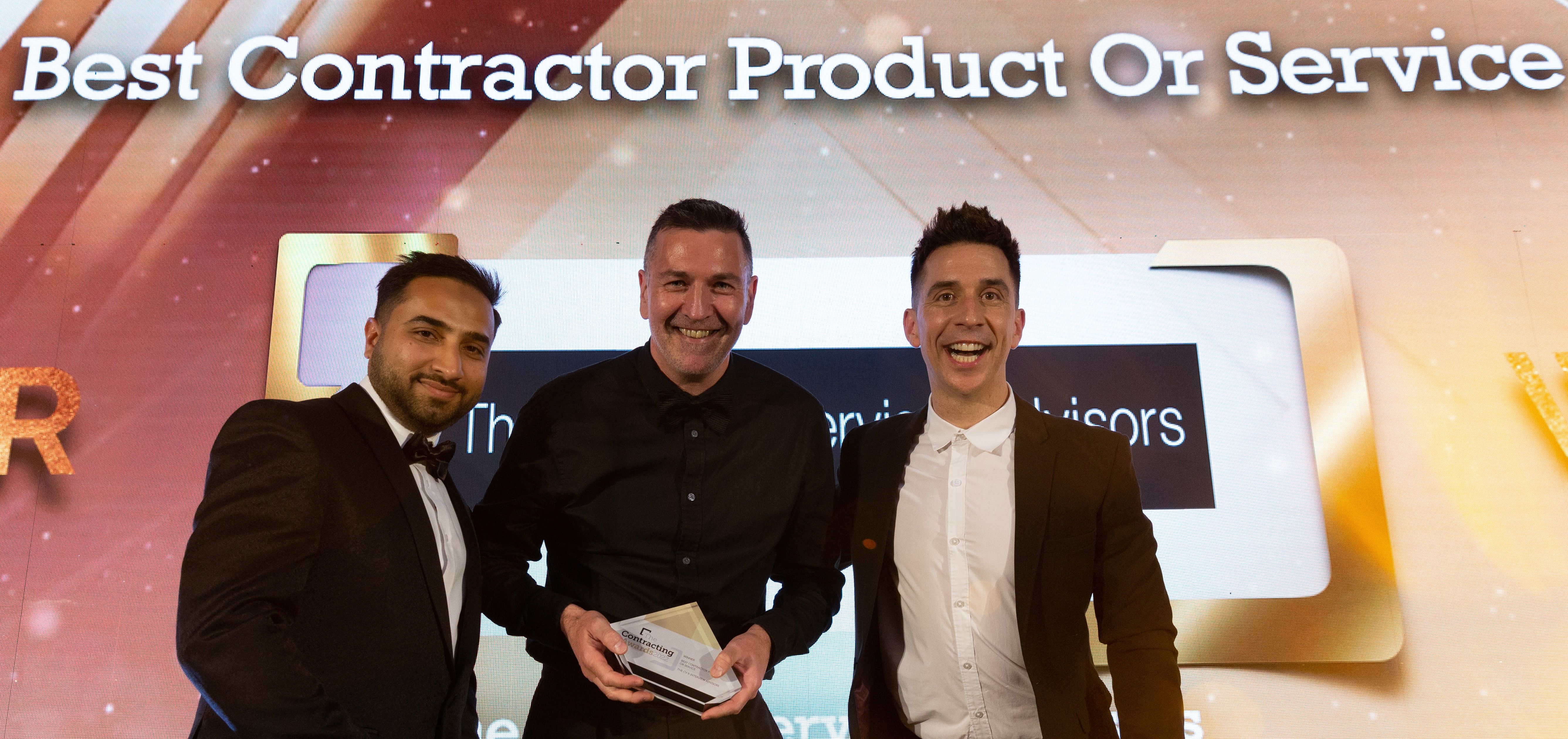
Our World Class Maritime CV Service
We offer tailored services to optimise your maritime CV and enhance your career prospects. We are renowned for having a unique and highly innovative methodology that incorporates global recruitment best practice, psychology and marketing techniques such as value proposition statements, CV SEO (ATS optimisation), storytelling, information architecture optimisation and social proofing.
We have won awards for our services (that's our CEO in the pic collecting an award for our CV methodology) and have extensive experience of helping professionals and executives looking for both permanent and contract roles.
Our Industry Reach & Expertise
We have delivered services to maritime professionals worldwide and have collaborations with The Nautical Institute and recruitment businesses in the maritime/nautical sector.
Our team has extensive experience working with hundreds of maritime professionals across all disciplines and we thrive on the challenges of working with very senior and highly technical clients.
We have team members who themselves have worked in this unique industry that have been described as the best of the best.
Who We Write Maritime CVs For
Cruise liner captains
Cruise Liner officers
Dynamic positioning officers (DPOs)
Marine engineers and technicians
Maritime operations managers
Port and harbour professionals
Naval architects and marine surveyors
And many others
Frequently Asked Questions
For Junior or Early-Career Maritime Roles: A two-page CV is considered the ideal length.
For Mid to Senior-Level Permanent Maritime Positions: A CV of up to three pages is perfectly acceptable to ensure you can detail all of your relevant skills and experience without leaving out important information.
For Maritime Contractors or Interims: If you work as a maritime contractor, your CV may need to be up to four pages long to properly list your various contracts and assignments.
Consider the Location: CV standards vary globally. For example, a three-page CV is common in the UK, while the US market has a stronger preference for a more concise two-page resume.
No. Do not put a list of references or the phrase "references available upon request" on your maritime CV. These practices are outdated and take up valuable space without adding significant value to your application.
Instead, adopt the modern, more powerful approach by adding a "Recommendations" section to your CV. This provides immediate social proof from credible sources.
Here is how to do it effectively:
Create a dedicated section at the end of your CV titled "Recommendations."
Select two powerful quotes from your LinkedIn recommendations. Choose excerpts that are insightful and relevant to the roles you are targeting.
Focus on credibility and impact. The recommendations should be from credible individuals and highlight specific strengths or achievements, not generic praise like "honest and reliable."
Format them professionally. Present each one as a quote and include the person's full name and their job title directly beneath it.
This strategy allows you to use testimonials to your advantage, making a much stronger impression on recruiters and hiring managers than a simple reference list.
How you list qualifications on your CV should be determined by your level of professional experience. Here is the best-practice guide for your maritime CV.
Where to Place Your Qualifications Section
The position of your qualifications section depends entirely on your career stage.
For Early-Career Professionals: If you have one year of work experience or less, your qualifications are a primary selling point. Place them as the second section on your CV, directly underneath your personal profile or summary.
For Experienced Professionals: If you have significant work experience, your employment history becomes the main focus. Move the qualifications section towards the end of your CV. You should still mention your most critical qualifications in the opening profile summary.
How to Format Different Types of Qualifications
You can either group all qualifications into one section or split them into "Education" and "Professional Qualifications" if you have a lot to list.
University Education: List the degree title, your grade in brackets, and the university name.
Example: BSc (Hons) in Maritime Navigation (2:1), University of Plymouth
School Education (A-Levels, etc.): You do not need to list the name of your school unless it is exceptionally well-known. Simply list the qualification type, followed by the subjects and grades.
Example: 3 A-Levels: Maths (A), Physics (B), Geography (B)
Professional & Maritime Qualifications: For industry-specific certifications (e.g., STCW, MCA qualifications) or professional development courses, list the name of the qualification itself. You do not need to include the name of the training provider.
Example: MCA Officer of the Watch (Unlimited)
Example: PRINCE2 Practitioner
A Critical Rule: Do Not Add Dates
To prevent potential age discrimination, do not include the dates on which you studied for or achieved any of your qualifications. This applies to university degrees, school-level education, and professional certifications.
To keep your maritime CV focused and effective, you should provide detailed descriptions for only your most recent four roles. A recruiter's attention is limited, and this ensures they focus on your most relevant and current experience.
For all positions held before these, create a separate section at the end of your work history titled "Earlier Career."
In this section, you should list your older roles as simple one-liners. Do not include any details about responsibilities or achievements. The one-liner format should only contain three pieces of information:
The date
The name of the company
Your job title
This method keeps your CV concise and respects the standard length of up to three pages for a permanent role application, while still providing a complete career history.
The best CV format for maritime job seekers is one that’s hyper-targeted to the specific role at sea or within maritime operations and packed full of relevant achievements.
Start with a clear profile paragraph that positions you directly in line with the job title, whether that’s Marine Engineer, Deck Officer, or Port Operations Manager. Use this section to promote your relevance and describe your overarching value to the employer, also known as your value proposition.
Follow with 3 to 4 key strength statements aligned with the job description, such as vessel maintenance, regulatory compliance, navigation, or crew leadership.
Include a Key Skills section laid out in two columns with maritime-specific keywords from the job ad, for example SOLAS compliance, ISM Code, or voyage planning.
Add a Key Projects and Achievements section, ideally with STAR-format case studies, showing results like reducing downtime or passing inspections with zero non-conformities.
Then list your Career History, focusing on the last 10 years in reverse chronological order, ensuring each role includes achievements, not just duties.
Finish with Education and Certifications such as STCW or CoC, training, and optional extras like NED positions, published work, or brief recommendations.
There are a few common mistakes that can seriously damage your chances of landing a maritime role.
1. Never lie
It might be tempting to exaggerate your sea experience or qualifications, but if you're hired based on false information and cannot perform, you may be dismissed. This could leave a short and unhelpful job stint on your CV, which may affect future applications. Always promote your strengths honestly.
2. Avoid adding personal interests
Including hobbies like combat sports might seem harmless, but they can create the wrong impression. Some employers may view them as aggressive or inappropriate. Unless your interest is genuinely unique and universally positive, such as raising money for charity through extreme challenges, it is safer to leave it out.
3. Do not include bland or generic hobbies
Hobbies like "dancing" or "walking" do not add value. They are common, unmemorable, and take up space that could be used more effectively.
4. Eliminate typos and grammar errors
In maritime roles, attention to detail is crucial, especially in technical, safety, or compliance-related positions. Typos and grammatical mistakes can make you seem careless. Use spell check, proofreading tools such as Grammarly, and ask someone else to review your CV as well.
Here are three of the most damaging and common CV mistakes that could be stopping you from getting interviews for maritime roles.
1. Not hyper-targeting your CV
This is the number one issue. Your CV must be laser focused on the specific role you are applying for. That means your profile paragraph should be perfectly aligned with the job title, your value proposition should reflect the job’s mission, and your listed skills must mirror the key requirements in the job advert. You can then support these with relevant achievements and case studies. Yet around 70 percent of people still submit generic CVs that leave recruiters guessing.
2. Failing to show achievements
Many CVs list responsibilities without proving the candidate was good at their job. Recruiters want evidence. They want to see the business benefits you delivered, how you improved things, hit performance targets, or led successful projects. Without this, your CV is just a job history, not a compelling case for why you should be hired.
3. Putting in minimal effort
Too many people fling their CV together without considering their audience. They write for themselves, not the recruiter. A good CV should reflect the expectations of the reader, not your personal preferences. For senior professionals, that usually means two to three pages, depending on the market. Despite the high stakes, many people spend less time on their CV than they would on a basic report. And with hundreds of applicants for some roles, poor effort means poor results.
Bonus tip: Avoid typos
Around 80 percent of CVs contain typos. Use proofreading tools, read it aloud, and ask someone else to review it. In a competitive market, accuracy really does matter.
In short, no. At least not on its own.
While using AI might seem like a quick fix, most hiring professionals now see it as a red flag. A recent survey of 625 US hiring managers found that 53 percent were less likely to hire someone who used AI in their application. In fact, 80 percent of hiring managers say they dislike seeing AI-generated CVs or cover letters, and 74 percent believe they can tell when AI has been used.
Some recruiters are now actively filtering out AI-written CVs. Employers such as the Big Four and FTSE 100 firms are reportedly banning AI-generated applications for certain roles, especially at graduate level. AI detection software is already being sold to recruiters and adopted in hiring processes, which is something we predicted months ago.
The problem is that AI-written CVs often just mimic the job description. They look neat on the surface but lack substance. They tend to rehash weak or generic value propositions and rarely include real-world achievements. Even if they tick keyword boxes, they fail to prove value.
Recruiters are already complaining about getting hundreds of near-identical CVs, many of which are generated by AI.
The only way to rise above this is with a CV full of meaningful examples and tangible outcomes. Our methodology, based on real experience, achievements, and strategic targeting, consistently outperforms AI and DIY approaches.
One recent client had been struggling in the job market with an AI-written CV. After switching to our method, he landed an interview with his very first application for a brilliant role.
A strong maritime CV should follow a clear and structured format that showcases your value, experience, and technical capabilities. Here's how to lay it out:
1. Contact details
Start with your name at the top, followed by your email address and telephone number.
2. Profile or summary
This should be a short paragraph (no more than 8 or 9 lines) explaining what you are, your value proposition, and highlighting around three key strengths that are aligned with the role.
3. Key skills
Include two columns listing 6 to 8 relevant skills in each. These should reflect the requirements of the role as seen in the job description. For maritime roles, this might include navigation systems, safety compliance, crew leadership, or vessel operations.
4. Career highlights
List three major achievements on the front page using the STAR method (Situation, Task, Actions, Result). These should demonstrate the impact you have made in previous roles.
5. Career history or professional experience
Begin this section at the bottom of page one. List up to four recent roles in detail. Include job title, employer, dates, responsibilities, and achievements.
6. Earlier career
Any roles older than 8 to 10 years should be summarised in a section called 'Earlier Career' with just the job title, company, and dates.
7. Education and training
List your qualifications and any relevant training courses such as STCW certifications or safety training.
8. Personal details
This might include languages, licences, or availability.
9. Recommendations
Instead of writing "references available on request," include a short selection of recommendations or testimonials pulled from your LinkedIn profile.
Optional sections
You can also add published work, public speaking, voluntary work, or advisory positions. If your career path is non-linear or you are switching sectors, you may benefit from a short 'Career Synopsis' paragraph to explain your journey.
This structure will help your maritime CV present a strong and professional narrative that resonates with hiring managers in the industry.
.png)
Our guarantee to you
We'll keep working on your CV until you're happy. For your peace of mind, if we fail to deliver the high standard of service we promise, we'll put things right or provide an appropriate refund.
Matt Managing Director
Customer case studies
Meet the Team
Our team have all been senior professionals in their own careers.


.jpg)
.jpg)
.png)